
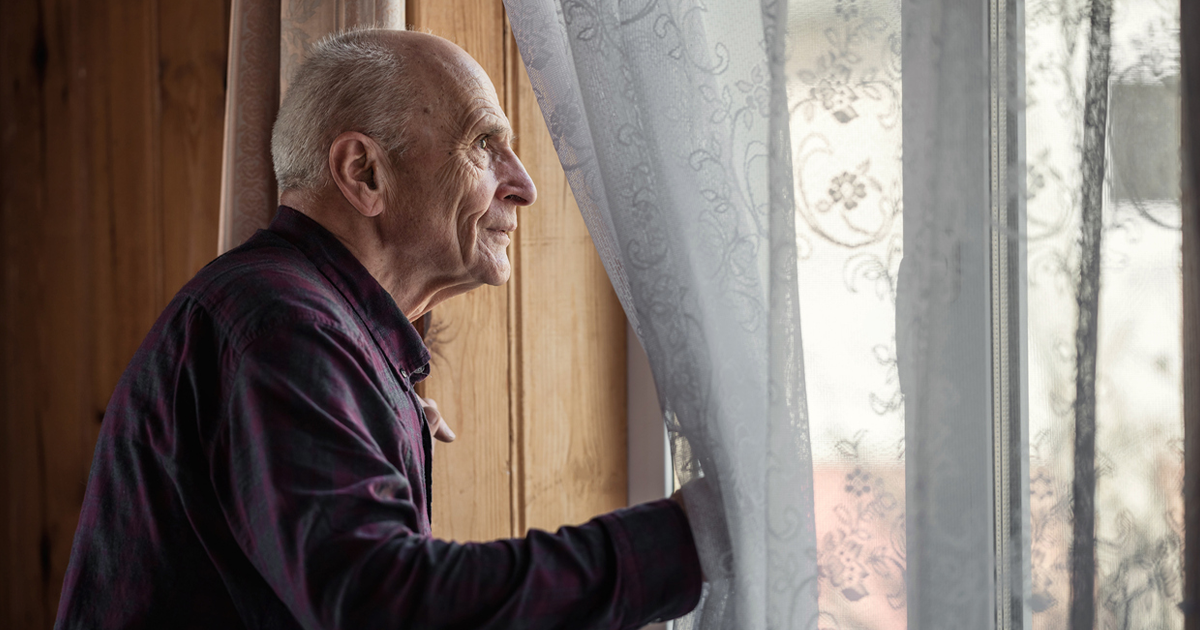
Hallucinations can be one of the more unsettling symptoms of dementia. A loved one may see people in the room, hear voices, or believe animals or strangers are present. These experiences can feel vivid and completely real to them. For caregivers, these moments can feel confusing, concerning, and sometimes frightening.
Understanding how to respond can reduce distress for both of you.
Why Hallucinations Happen in Dementia
Certain types of dementia, including Lewy body dementia and Parkinson’s disease dementia, are commonly associated with visual hallucinations. Hallucinations can also occur in Alzheimer’s disease, particularly in later stages. Infections, medication side effects, dehydration, poor sleep, or changes in environment can increase their frequency or intensity.
The brain is misinterpreting information or creating sensory experiences without an external source. Even though the experience originates in the brain, it feels real to the person living with dementia.
Focus First on Emotional Safety
When a hallucination occurs, begin by noticing your loved one’s emotional state. Are they calm, curious, fearful, or agitated? Your response should match the emotion you see.
If the hallucination is neutral or even pleasant, a gentle acknowledgment and redirection may be enough. If fear or agitation is present, focus on reassurance. Speak calmly. Slow your movements. Offer grounding statements such as, “I’m here with you,” “I’ll protect you,” or “You’re safe.”
Your steady presence communicates security more effectively than explanations.
Enter Their World With Reassurance
Trying to correct or challenge what your loved one is experiencing often increases anxiety and mistrust. Instead of debating facts, respond to the feeling underneath the experience.
If they say, “There is a man in the corner,” you might say, “That sounds scary. I’m here to protect you.” You could gently add, “Let’s go into the kitchen together,” or “Come sit next to me.” Turning on additional light, closing curtains, or changing rooms can help shift the environment while you remain emotionally aligned with them.
By entering their world with reassurance, you reduce fear and build trust. The goal is comfort and safety, not accuracy.
Adjust the Environment When Possible
Environmental factors can contribute to hallucinations or visual misinterpretations. Shadows, mirrors, patterned wallpaper, low lighting, and background noise can all intensify confusion. Increasing lighting, simplifying the room, or reducing noise may decrease episodes.
If hallucinations appear suddenly or worsen quickly, contact a healthcare provider. Medical issues such as infections, medication interactions, or dehydration may be contributing and can often be addressed.
Caring for Yourself in These Moments
Hallucinations can take an emotional toll on caregivers. You may feel startled, uncertain, or concerned about what these symptoms mean. Learning how to respond calmly and consistently builds confidence over time.
Talking with a support group or dementia professional can also provide reassurance. Many caregivers face similar experiences, even if they do not talk about them openly.
Hallucinations in dementia reflect changes in the brain. With calm reassurance, thoughtful environmental adjustments, and attention to emotional safety, caregivers can create a greater sense of comfort and connection for their loved one and for themselves.
If you need dementia caregiver support, please join my dementia support group or schedule your 30-minute consultation.
Connect with Tami
Get information, guidance, and support delivered to your inbox each month.